Kalindi Pass Trek
Embark on the adventure of a lifetime with the Kalindi Pass Trek (Kalindi Khal), one of the most technical and rewarding high-altitude expeditions in the…
Trip Snapshot
Expedition Overview
Route Story
About this Expedition
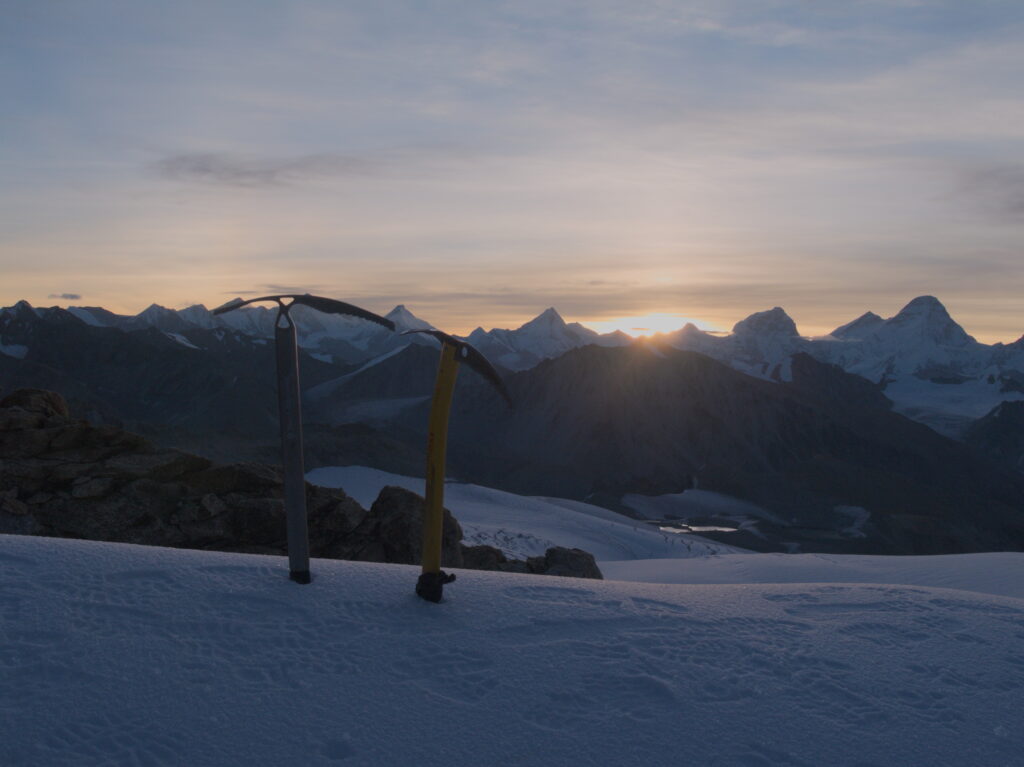
Embark on the adventure of a lifetime with the Kalindi Pass Trek (Kalindi Khal), one of the most technical and rewarding high-altitude expeditions in the Indian Himalayas. This legendary route crosses the Kalindi Pass at 5,950 meters (19,520 ft), connecting the sacred pilgrimage sites of Gangotri and Badrinath over 12 days of exhilarating glacier travel, moraine crossings, and breathtaking alpine scenery. This is not a trek for beginners — it demands prior high-altitude experience, technical gear, and excellent physical fitness.
Looking for more adventure? Explore our other high-altitude expeditions: Kedartal Trek, Brigupanth Trek, and the Gangotri Glacier Trek.
Kalindi Pass Trek — Quick Facts
| Maximum Altitude | 5,950 m (19,520 ft) at Kalindi Pass |
| Total Distance | ~99 km (Gangotri to Badrinath) |
| Duration | 12 Days / 11 Nights |
| Difficulty | Expedition / Technical (Ice Axe + Crampons + Roped Glacier Travel) |
| Region | Uttarkashi → Chamoli, Uttarakhand, India |
| Starting Point | Gangotri (3,048 m) |
| Ending Point | Badrinath (3,300 m) via Mana Village |
| Best Season | May–June (Pre-monsoon) & September–October (Post-monsoon) |
| Technical Gear Required | Ice axe, crampons, climbing helmet, harness, rope, prusik cord |
| Permits Required | Forest Department Permit + ILP (Mandatory for Foreign Nationals) |
| Prior Experience | Mandatory — multiple 5,000 m+ high-altitude treks required |
Why Choose the Kalindi Pass Expedition?
- Glacial Expedition Experience: Traverse the Gangotri Glacier, Vasuki Baamak Glacier, and Shweta Glacier — a true mountaineering adventure.
- Unmatched Himalayan Panorama: Witness iconic peaks including Shivling (6,543 m), Meru (6,630 m), Bhagirathi Massif, Kedar Dome, and Nilkantha.
- Spiritual Journey: Follow an ancient route connecting two of the holiest Char Dham sites — Gangotri and Badrinath, through India’s last village, Mana.
- Technical Challenge: Cross the Kalindi Pass at 5,950 m with ice axe and crampons — a true badge of honor for experienced trekkers.
- Expert-Led Expedition: Our certified expedition leaders, safety protocols, and high-quality equipment ensure a safe and successful summit.
Expedition Highlights
- Glacier Crossing Experience: Traverse the Gangotri, Vasuki Baamak, and Shweta Glaciers — a true mountaineering achievement.
- Highest Camp at 5,800m: Spend a night at advanced base camp before attempting the 5,950m pass crossing.
- Char Dham Connection: Start at Gangotri and end at Badrinath, covering two sacred pilgrimage sites in one expedition.
- Panoramic Himalayan Vistas: Witness Shivling (6,543m), Meru (6,630m), Bhagirathi Massif, Kedar Dome, and Nilkantha.
- India’s Last Village: Pass through Mana Village — the last inhabited village before the Tibetan border.
- Technical Mountaineering: Use ice axe, crampons, and roped glacier travel under expert supervision.
Itinerary
A 12-day expedition covering ~99 km of glacier terrain, moraine paths, and high-altitude passes. This is a technical route requiring prior high-altitude experience.
Quick Overview
- Day 1: Arrive in Gangotri (3,048m) — Acclimatization & gear check
- Day 2: Gangotri to Bhojbasa (3,780m) — 14 km, 6 hrs
- Day 3: Bhojbasa to Nandanvan Base (4,350m) — 10 km, 5 hrs
- Day 4: Nandanvan to Vasuki Tal (5,100m) — 8 km, 5 hrs
- Day 5: Acclimatization Day at Vasuki Tal
- Day 6: Vasuki Tal to Kalindi Pass Base (5,300m) — 6 km, 4 hrs
- Day 7: Cross Kalindi Pass (5,950m) — Summit Day, 10 hrs
- Day 8: Descent to Shweta Glacier Camp (4,800m) — 6 km, 5 hrs
- Day 9: Shweta Glacier to Badrinath (3,300m) — 15 km, 7 hrs
- Day 10: Badrinath Darshan & Exploration
- Day 11: Reserve Day for weather contingencies
- Day 12: Depart from Badrinath
Detailed Itinerary
Day 1: Arrival in Gangotri — Acclimatization
Arrive in the sacred town of Gangotri (3,048m) and check into your guesthouse. Attend the evening Ganga Aarti at the Gangotri Temple. Gear check and expedition briefing by your lead guide. Overnight at the guesthouse.
Day 2: Gangotri to Bhojbasa (3,780m)
Trek 14 km along the Gangotri Glacier moraine. The trail offers stunning views of the Bhagirathi Massif. Camp at Bhojbasa, a popular campsite surrounded by towering peaks. Duration: 6 hours.
Day 3: Bhojbasa to Nandanvan Base (4,350m)
Continue deeper into the glacier terrain. The trail becomes more technical as you approach the base of Mount Shivling and Meru Peak. Set up camp at Nandanvan with panoramic glacier views. Duration: 10 km, 5 hours.
Day 4: Nandanvan to Vasuki Tal (5,100m)
A challenging day as you ascend to the glacial lake of Vasuki Tal. The trail involves crevassed glacier travel — roping up is mandatory. Camp at the stunning Vasuki Tal with views of the Vasuki Glacier. Duration: 8 km, 5 hours.
Day 5: Acclimatization Day at Vasuki Tal
A crucial rest and acclimatization day. Short hikes around Vasuki Tal to aid altitude adjustment. Technical training session — ice axe arrest, crampon techniques, and rope skills. Early dinner and rest for the summit push.
Day 6: Vasuki Tal to Kalindi Pass Base Camp (5,300m)
Ascend towards the Kalindi Pass base camp. The terrain becomes steeper with snow slopes. Set up advanced base camp and prepare gear for the summit day. Duration: 6 km, 4 hours.
Day 7: Summit Day — Cross Kalindi Pass (5,950m)
An early start (2 AM) for the summit push. Ascend the steep snow and ice slope to Kalindi Pass (5,950m). The views from the top are breathtaking — panoramic vistas of the Gangotri and Badrinath ranges. Descend to the Shweta Glacier side. Duration: 10-12 hours. This is the most demanding day of the expedition.
Day 8: Shweta Glacier Camp to Badrinath Trail (4,800m)
Gradual descent through the Shweta Glacier valley. The landscape transitions from冰川 to alpine meadows. Camp at a scenic spot with views of Neelkanth Peak. Duration: 6 km, 5 hours.
Day 9: Descent to Badrinath (3,300m)
The final trekking day. Pass through Mana Village — India’s last village — and descend to Badrinath. Check into a guesthouse and celebrate the successful expedition. Duration: 15 km, 7 hours.
Day 10: Badrinath Darshan & Exploration
Visit the sacred Badrinath Temple for darshan. Explore Mana Village and nearby attractions like Vyas Gufa and Ganesh Gufa. Certificate distribution and expedition debrief.
Day 11: Reserve / Buffer Day
A contingency day for weather delays or extended acclimatization. Can be used for additional exploration or early departure.
Day 12: Departure from Badrinath
After breakfast, depart from Badrinath with lifetime memories of crossing one of India’s most legendary high-altitude passes.
Expedition Guidelines
Before the Expedition:
- Physical Preparation: Start cardio training 2 months prior — running, cycling, and stair climbing. Practice carrying a 10-15 kg backpack uphill.
- Medical Check: Consult your physician for a high-altitude fitness assessment. Carry prescribed medications.
- Gear Familiarity: Practice using crampons, ice axe, and harness before the expedition. Know how to self-arrest.
- Pack Essentials: 4-5 layers of clothing, waterproof jacket/pants, trekking boots, gaiters, UV sunglasses, sunscreen, headlamp, and reusable water bottles.
- Inform Your Leader: Disclose any medical conditions, allergies, or medications to your expedition leader.
During the Expedition:
- Stay Hydrated: Drink 3-4 litres of water daily. Add electrolyte powder to prevent dehydration.
- Follow the Leader: Always follow your expedition leader’s instructions — especially on glacier terrain and during summit push.
- Roped Travel: On glacier sections, you MUST remain roped to your teammates at all times. No exceptions.
- Watch for AMS: Symptoms of Acute Mountain Sickness include headache, nausea, dizziness. Report immediately — no shame in turning back.
- Leave No Trace: Carry out all waste. Use designated toilet tents. Protect the fragile Himalayan ecosystem.
- Pacing: Walk at a steady pace. “Pole pace” — breathe in sync with your steps. Do not overtake the lead guide.
After the Expedition:
- Rest & Recovery: Take 2-3 days of complete rest after returning to lower altitude.
- Health Check: If you feel unwell after the expedition, consult a doctor immediately.
- Share Feedback: Your feedback helps us improve. Share your experience and suggestions with our team.
- Stay Connected: Join our trekker community for future expeditions and updates.
Join Rope on Slope for the Ultimate Himalayan Expedition
The Kalindi Pass Expedition is not just a trek — it is a mountaineering milestone. With Rope on Slope’s expert guides, safety protocols, and decades of Himalayan experience, you are in the safest hands. Book your expedition today and stand atop one of India’s most legendary high-altitude passes at 5,950 meters.
How to Reach
The expedition starts from Gangotri, accessible via road from major cities:
- By Air: Nearest airport is Jolly Grant Airport, Dehradun (250 km from Gangotri). Regular flights from Delhi take ~1 hour.
- By Train: Nearest railway station is Rishikesh (240 km). Overnight trains from Delhi to Haridwar/Rishikesh are convenient options.
- By Road: Scenic drive from Dehradun to Gangotri via Uttarkashi and Harsil (8-9 hours). We can arrange shared or private transfers from Dehradun/Rishikesh.
- Pickup Included: Pickup from Dehradun railway station/airport available at 6:00 AM on Day 1. Departure drop to Dehradun on the final day.
Difficulty & Fitness Requirements
The Kalindi Pass Expedition is rated as Challenging+ / Technical Expedition — the highest difficulty grade in Himalayan trekking. This is NOT a trek for beginners.
Grading Criteria
| Grade | Challenging+ / Technical Expedition |
| Max Altitude | 5,950 m (19,520 ft) |
| Daily Trekking | 6-10 hours, 8-15 km per day |
| Terrain | Glacier, moraine, snow slopes, scree, rocky trails |
| Technical Gear | Ice axe, crampons, harness, ropes (mandatory) |
| Prior Experience | Multiple 5,000m+ treks required |
| Fitness Level | Excellent — must be able to run 5km and carry 15kg uphill |
| Acclimatization Days | 2 dedicated rest days + gradual altitude gain |
Best Time to Visit & Weather
The Kalindi Pass is accessible only during specific weather windows due to extreme high-altitude conditions:
| Season | Months | Conditions |
| Pre-Monsoon | May — June | Best window. Stable snow, clear mornings, moderate temperatures. Pass snow depth ideal. |
| Monsoon | July — August | Not recommended. Heavy rainfall, avalanche risk, trail damage. |
| Post-Monsoon | September — October | Second best window. Fresh snow possible. Clear skies, colder temperatures. |
| Winter | November — April | Closed. Heavy snow, extreme cold (-20°C), pass impassable. |
Temperature Range: Daytime 5°C to 15°C | Nighttime -5°C to -15°C at higher camps. Wind chill can make it feel significantly colder above 5,000m.
Essential Packing & Gear List
This expedition requires specialized mountaineering gear. Here is a comprehensive checklist:
Technical Gear (Provided by Rope on Slope)
- Ice axe (technical grade)
- Crampons (step-in compatible with trekking boots)
- Climbing helmet
- Harness with locking carabiners
- Dynamic climbing rope (8mm-10mm)
- Prusik cords & slings
- Group first-aid kit with oxygen cylinder
- Satellite phone for emergency communication
Personal Gear (To Be Carried by You)
- Footwear: High-ankle waterproof trekking boots (crampon-compatible) + camp shoes
- Upper Body: Base layer (merino), mid-layer fleece, down jacket, waterproof shell jacket
- Lower Body: Thermal leggings, trekking pants, waterproof over-pants
- Accessories: UV-protection sunglasses (category 4), headlamp with extra batteries, trekking poles (2), gaiters
- Backpack: 50-70 litre rucksack with rain cover + daypack (20-30L)
- Sleep System: 4-season sleeping bag (rated to -15°C), sleeping bag liner
- Hydration: 2 x 1-litre water bottles + hydration bladder (3 litre capacity)
- Personal Items: Sunscreen SPF 50+, lip balm, wet wipes, personal medication, toilet paper, hand sanitizer
Route Overview & Map
The Kalindi Pass Expedition traverses ~99 km from Gangotri to Badrinath, crossing three major glaciers:
- Gangotri Glacier: Day 2-4 — Trek along the Gangotri Glacier moraine past Gaumukh (source of the Ganges) to Nandanvan and Vasuki Tal.
- Chaturangi Glacier: Day 5-7 — Cross the Chaturangi Glacier system approaching the Kalindi Pass base camp at 5,300m.
- Shweta Glacier: Day 8-9 — Descend through the Shweta Glacier valley towards Badrinath and Mana Village.
- Key Pass Crossing: Kalindi Pass (5,950m) — The highest point, connecting the Gangotri and Badrinath valleys.
- Net Elevation Gain: ~3,400m from Gangotri (3,048m) to Kalindi Pass (5,950m) and descent to Badrinath (3,300m).
Booking, Payment & Cancellation Policy
How to Book
- Click “BOOK NOW” on this page and fill in your details.
- Pay 25% advance to confirm your seat (non-refundable).
- Remaining 75% due 30 days before expedition start.
- You will receive a confirmation email with detailed expedition briefing and gear checklist within 24 hours.
Cancellation Policy
| Cancellation Period | Refund Amount |
| 60+ days before departure | 75% refund (minus advance) |
| 30-59 days before departure | 50% refund |
| 15-29 days before departure | 25% refund |
| 0-14 days before departure | No refund |
Reviews & Testimonials
Our trekkers rate this expedition 4.8/5. Here is what they say:
- “Crossing the Kalindi Pass was the most challenging and rewarding experience of my life. The guides were exceptional — safety was always their top priority.” — Arjun M., May 2025
- “The glacier crossing at 5,950m is something I will never forget. Rope on Slope’s team made what seemed impossible feel achievable. Excellent logistics and support.” — Sarah T., September 2024
- “From the Ganga Aarti at Gangotri to the summit at Kalindi Pass to the darshan at Badrinath — this expedition is a spiritual and physical journey like no other.” — Vikram S., June 2025
Similar Expeditions You Might Like
If you enjoyed the Kalindi Pass Expedition, you may also be interested in:
- Brigupanth Trek — Technical expedition to the base of Mount Brigupanth (6,772m)
- Kedartal Trek — Challenging trek to the glacial Kedartal Lake
- Gangotri Glacier Trek — Explore the source of the Ganges at Gaumukh
Coverage
What’s Included
- All necessary trekking permits (Forest + ILP)
- Experienced & certified expedition leader
- Qualified support staff & guides
- High-quality camping equipment (tents
- sleeping bags
- mattresses)
- All meals during the trek (breakfast
- lunch
- dinner)
- First-aid kit with oxygen cylinder
- Group climbing gear (ropes
- ice axe
- crampons
- helmet)
- Porters/mules for central equipment
- Pulse oximeter & health monitoring
- Satellite phone for emergency communication
Check before booking
What’s Excluded
- Transportation to/from Gangotri or Badrinath
- Personal porters or mules
- Personal trekking gear (clothing
- boots
- backpack)
- Travel insurance (mandatory - $100k coverage recommended)
- Any expenses of personal nature
- Tips for guides and staff
- Hotels/accommodation in Gangotri or Badrinath
Frequently Asked Questions (FAQ)
Yes, Dayara Bugyal is one of the best beginner-friendly treks in Uttarakhand. The trail is gradual, scenic, and suitable for first-time trekkers with basic fitness.
Trekkers should be able to walk 5–8 km comfortably and perform basic cardio exercises before joining a trek.
Spring (March–May), Summer (May–June), Post-Monsoon (September–November), and Winter (December–February) are considered the best trekking seasons.
No. Several Uttarakhand treks such as Dayara Bugyal are perfect for beginners and first-time trekkers.
Carry trekking shoes, warm layers, rain protection, sunglasses, sunscreen, water bottles, personal medicines, and a backpack.
Yes, children above 8 years can participate in selected beginner and family-friendly treks.
Some high-altitude treks may cause mild symptoms. Proper acclimatization, hydration, and guided trekking reduce risks significantly.
Absolutely. Many solo travelers join our group departures and trekking expeditions every season.
You can select your preferred trek, choose the departure date, and complete the booking through our website or by contacting our team.
Most packages include accommodation, meals during the trek, permits, guide services, camping equipment, and safety support.
Yes, advance booking is recommended, especially during peak trekking seasons and long weekends.
We accept UPI, bank transfers, credit cards, debit cards, and secure online payment gateways.
Yes, cancellations are processed according to our cancellation policy shared during booking.
You will receive confirmation through email and WhatsApp after successful payment.
Yes, required forest permits and trekking permissions are generally included in the package.
Yes, we organize customized private treks for families, friends, schools, colleges, and corporate groups.
Dayara Bugyal, Nag Tibba, Chopta Tungnath, and Deoban are among the most family-friendly treks in Uttarakhand.
Yes, provided they are medically fit and choose suitable trekking routes according to their fitness level.
Yes, we offer customized family trekking packages with comfortable accommodations and flexible itineraries.
Children above 8 years can comfortably join most beginner-friendly trekking programs.
Yes, family trek packages generally include homestays, guest houses, or camps depending on the trek route.
Yes, nutritious vegetarian meals are generally included throughout the trekking itinerary.
Yes, private departures can be arranged for families seeking a personalized trekking experience.
Yes, trekking shoes, jackets, backpacks, trekking poles, gaiters, and sleeping bags are available for rent.
You can rent trekking shoes, backpacks, down jackets, rain ponchos, trekking poles, gloves, and sleeping bags.
Yes, all rental equipment is inspected, cleaned, and sanitized before every trek departure.
Yes, advance reservations help ensure gear availability during peak trekking seasons.
Yes, complete trekking kits can be rented for beginners who do not own trekking equipment.
Yes, quality trekking shoes in multiple sizes are available for rent.
Rental charges vary depending on the equipment selected and trek duration.
Our treks prioritize safety through experienced trek leaders, verified accommodations, support staff, and organized group departures.
Yes, many women travelers join our group treks as solo participants and enjoy a safe trekking experience.
Several trekking departures include women trek leaders or female support staff.
Yes, campsites are selected carefully and managed by experienced trekking teams with safety protocols.
Yes, special women-focused trekking departures can be arranged based on group requirements.
We follow strict safety guidelines, provide experienced guides, first-aid support, emergency communication, and route monitoring.
Yes, women regularly complete challenging treks such as Gomukh Tapovan, Kedartal, Nandanvan, and Vasuki Tal with proper preparation.